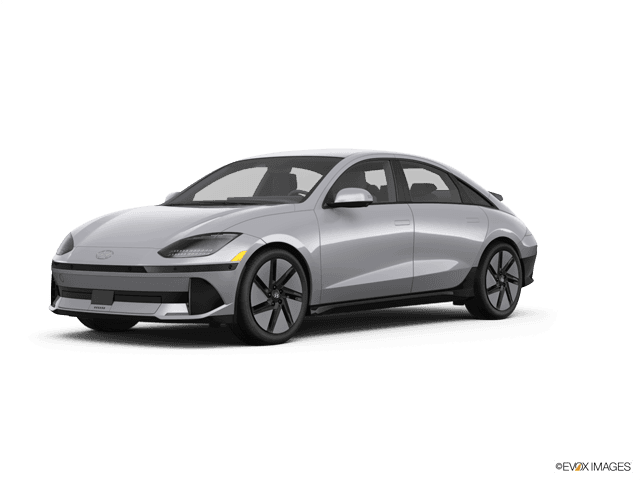
Specifications by model year
Compare the stats that matter
Every section below is populated from the available EPA, NHTSA, and vehicle-specification data for this model.
Fuel economy
EPA-rated city, highway, and combined economy by year. Values can describe one trim or drivetrain. A dash means unavailable data, not zero or absent equipment.
Engine, transmission & drivetrain
Powertrain specifications can vary between model years. Values can describe one trim or drivetrain. A dash means unavailable data, not zero or absent equipment.
Pricing & configuration
Original pricing and model configuration where available. Values can describe one trim or drivetrain. A dash means unavailable data, not zero or absent equipment.
Space, dimensions & utility
Seating, cargo, and physical configuration by model year. Values can describe one trim or drivetrain. A dash means unavailable data, not zero or absent equipment.
| Year | Seats | Doors | Cargo (L) | Cargo (cu ft) | bodyAndInterior | mechanical | Keyless ignition | GVWR | Seat rows |
|---|---|---|---|---|---|---|---|---|---|
| 2026 | — | — | — | — | — | — | — | — | — |
| 2025 | 5 | 4 | 397 | 14 | Keyless ignition: Standard | GVWR: Class 1C: 4,001 - 5,000 lb (1,814 - 2,268 kg) | Class 1C: 4,001 - 5,000 lb (1,814 - 2,268 kg) | Standard | Class 1C: 4,001 - 5,000 lb (1,814 - 2,268 kg) | Class 1C: 4,001 - 5,000 lb (1,814 - 2,268 kg) | — |
| 2024 | 5 | 4 | 399 | 14.1 | Keyless ignition: Standard | GVWR: Class 1C: 4,001 - 5,000 lb (1,814 - 2,268 kg) | Class 1D: 5,001 - 6,000 lb (2,268 - 2,722 kg) | Standard | Class 1C: 4,001 - 5,000 lb (1,814 - 2,268 kg) | Class 1D: 5,001 - 6,000 lb (2,268 - 2,722 kg) | — |
| 2023 | 5 | — | — | — | Keyless ignition: Standard, Seat rows: 2 | GVWR: Class 1: 6,000 lb or less (2,722 kg or less) | Class 1: 6,000 lb or less (2,722 kg or less) | Standard | Class 1: 6,000 lb or less (2,722 kg or less) | Class 1: 6,000 lb or less (2,722 kg or less) | 2 |
Safety ratings & driver assistance
NHTSA safety ratings and listed driver-assistance availability. Values can describe one trim or drivetrain. A dash means unavailable data, not zero or absent equipment.
| Year | nhtsaSafetyRatings | abs | Overall rating | Frontal crash | Side crash | Rollover | Rated vehicle | esc | tractionControl | tpms | adaptiveCruiseControl | autoBrake | forwardCollisionWarning | pedestrianAeb | blindSpotMonitoring | blindSpotIntervention | laneDepartureWarning | rearCamera | rearCrossTrafficAlert | rearAeb | parkAssist | adaptiveDrivingBeam | autoReverseSystem |
|---|---|---|---|---|---|---|---|---|---|---|---|---|---|---|---|---|---|---|---|---|---|---|---|
| 2026 | — | standard | — | — | — | — | — | — | — | — | — | — | — | — | — | — | — | — | — | — | — | — | — |
| 2025 | Overall rating: 5, Frontal crash: 4, Side crash: 5, Rollover: 5, Rated vehicle: 2025 Hyundai Ioniq 6 4 DR AWD | standard | 5 | 4 | 5 | 5 | 2025 Hyundai Ioniq 6 4 DR AWD | standard | standard | standard | standard | standard | standard | standard | standard | optional | standard | standard | standard | standard | standard | standard | standard |
| 2024 | Overall rating: 5, Frontal crash: 4, Side crash: 5, Rollover: 5, Rated vehicle: 2024 Hyundai Ioniq 6 4 DR AWD | standard | 5 | 4 | 5 | 5 | 2024 Hyundai Ioniq 6 4 DR AWD | standard | standard | standard | standard | standard | standard | standard | standard | optional | standard | standard | standard | standard | standard | standard | standard |
| 2023 | Overall rating: 5, Frontal crash: 4, Side crash: 5, Rollover: 5, Rated vehicle: 2023 Hyundai Ioniq 6 4 DR AWD | standard | 5 | 4 | 5 | 5 | 2023 Hyundai Ioniq 6 4 DR AWD | standard | standard | standard | standard | standard | standard | standard | standard | standard | standard | standard | standard | optional | standard | standard | standard |
Technology & electrification
Listed infotainment, equipment, battery, and charging data. Values can describe one trim or drivetrain. A dash means unavailable data, not zero or absent equipment.
Model year reports
2026
NewestThe 2026 Hyundai Ioniq 6 presents a strong case for reliability, boasting an 'Excellent' public verdict with zero recalls and zero consumer complaints.
2025
The 2025 Hyundai Ioniq 6 presents a mixed reliability picture for used buyers.
2024
The 2024 Hyundai Ioniq 6 presents a mixed reliability picture, with significant concerns around its electrical system, particularly the integrated charging control unit (ICCU).
2023
The 2023 Hyundai Ioniq 6 presents an average reliability profile, with its primary ownership concern being potential loss of drive power stemming from ICCU failures.
Scores are derived from NHTSA recalls and owner complaints, normalized by vehicle segment averages.
What are the best years for the Hyundai Ioniq 6?
Carfocal currently has 4 published Ioniq 6 reports, covering 2023 through 2026. Compare the year-specific reports directly to see how reliability, recalls, ownership costs, and value change over time. The newest published verdict says: The 2026 Hyundai Ioniq 6 presents a strong case for reliability, boasting an 'Excellent' public verdict with zero recalls and zero consumer complaints.
Published year coverage: 2023, 2024, 2025, 2026.
Is the Hyundai Ioniq 6 reliable?
There is no single reliability answer for every Hyundai Ioniq 6. Carfocal's published year reports show why the model year matters, with verdicts that include the 2026 hyundai ioniq 6 presents a strong case for reliability, boasting an 'excellent' public verdict with zero recalls and zero consumer complaints. and the 2026 hyundai ioniq 6 is positioned as a solid value for used ev shoppers, particularly given its excellent reliability score and zero recalls. Compare the report for the year you are considering before you make a decision.
4 published year-specific reports are available for comparison.
What are common problems with the Hyundai Ioniq 6?
Carfocal answers common-problem questions in the year-specific reports. Published guides currently cover 2023 through 2026.
Problem patterns will populate as repair-prediction coverage expands.
Supporting data
- Published guides
- 4
- Years tracked
- 4
- Data sources
- NHTSA, EPA, owner complaints